With thousands of islands spread across a large area, the Philippines does not have one single weather pattern. While one island enjoys blue skies, another may be catching the rain. Still, there are clear seasons, and understanding them helps you choose the right time and the right islands for your trip.
This guide explains the best time to visit the Philippines, month by month and island by island, so you can plan beach days, island-hopping tours and diving trips with confidence.
The Philippine Seasons at a Glance
Pleasant temperatures and mostly dry weather in much of the country. Peak travel time, especially around Christmas and New Year.
Hot, sunny and calm seas, ideal for beaches, island hopping and diving. Busy around Holy Week.
More rain, green landscapes and fewer visitors. Typhoons are possible, so flexibility is essential.
Two monsoon winds shape the weather. The north-east monsoon, called amihan, usually brings cooler, drier air to much of the country from around November to March, though it can bring rain to east-facing coasts. The south-west monsoon, called habagat, usually brings heavy rain to the western side of the country from around June to September.
Month-by-Month Overview
| Months | Weather | Travel Tips |
|---|---|---|
| January and February | Mostly dry and pleasant in the west and centre, rain possible on east coasts | Great for Palawan, Boracay, Cebu and Bohol. Festival season. |
| March to May | Hot and dry, calm seas in many areas | Excellent for island hopping, diving and Siargao. Book early for Holy Week. |
| June to August | Start of the rainy season, south-west monsoon | Fewer visitors, green landscapes. Check forecasts and plan buffer days. |
| September and October | Rainy, typhoons possible | Surf season in Siargao. Travel with flexible plans. |
| November and December | Transition to the dry season, typhoons still possible early on | Increasingly good weather, busy over the holidays. |
Best Time to Visit by Island
Palawan: El Nido, Coron and Puerto Princesa
Palawan is at its best during the dry season, roughly from November or December to May. Calm seas make island-hopping tours like El Nido Island Hopping Tour A and the Coron Island Hopping Tour more comfortable, and visibility for snorkelling is usually excellent. In the rainy season, tours can be cancelled when the coast guard suspends boat trips. Read our guide to El Nido island-hopping tours for details.
Boracay
Boracay is a year-round destination, but its character changes with the seasons. During the amihan months, White Beach is usually calm and perfect for swimming. During the habagat months, White Beach can get rougher, while the other side of the island becomes calmer. Kitesurfers love Bulabog Beach on the east side during the windy amihan months, when steady winds create ideal conditions. See our guide to things to do in Boracay.
Cebu and Bohol
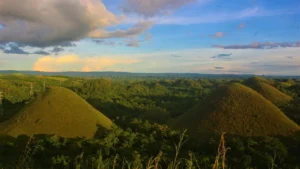
Cebu and Bohol are good to visit for much of the year, with the driest months usually from around January to May. These islands are less exposed to the south-west monsoon than western Luzon and Palawan, though typhoons can still pass through in the second half of the year. Discover the highlights in our guide to Bohol’s Chocolate Hills and tarsiers and our article on Kawasan Falls canyoneering.
Siargao
Siargao faces the Pacific, so its weather differs from the west. The months from around March to the middle of the year are often the calmest and sunniest, ideal for island hopping and lagoons. The biggest surf usually arrives from around September to November, when experienced surfers gather at Cloud 9. The north-east monsoon can bring rain from around December to February. Our guide to things to do in Siargao has more tips.
Northern Luzon and Batanes
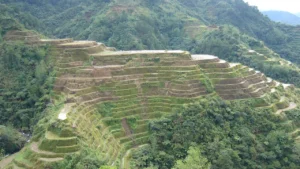
The rice terraces of the Cordillera are beautiful in the dry season, and the planting and harvest periods bring changing colours. Batanes is best from around March to May, when the weather is usually most stable, as the islands lie in the path of many typhoons later in the year.
Mindanao and Davao
Much of Mindanao, especially the Davao region, lies south of the main typhoon tracks and has rainfall spread more evenly through the year. This makes destinations like Davao and Samal Island good options when other regions are rainy.
- Dry season classic: El Nido and Coron Island Hopping.
- Visayas highlights: Cebu and Bohol Classic.
- Surf and lagoons: Siargao Surf and Lagoon Escape.
Typhoon Season: What You Need to Know
Typhoons can affect the Philippines in any month, but they are most common from around June to November. Most typhoons approach from the Pacific and tend to affect the northern and central parts of the country. Travelling during this period is possible and often rewarding, with fewer crowds and green landscapes, but it requires flexibility.
- Watch the forecasts: PAGASA, the national weather agency, issues official warnings.
- Plan buffer days: Flights and ferries can be cancelled at short notice.
- Choose flexible bookings: Free cancellation gives you room to adjust.
- Get travel insurance: Make sure it covers weather-related delays.
- Follow local advice: Boat trips are suspended when conditions are unsafe, for your safety.
Festivals Worth Planning Around
The Philippines celebrates many colourful festivals, which can be a highlight of your trip, but also mean busier towns and higher demand for accommodation.
- Sinulog (Cebu, January): A grand celebration of the Santo Niño with street dancing and processions.
- Ati-Atihan (Kalibo, January): One of the oldest festivals in the country, near Boracay.
- Dinagyang (Iloilo, January): Energetic street performances in Iloilo City.
- Panagbenga (Baguio, February): The flower festival of the mountain city.
- Holy Week (March or April): A major holiday when many Filipinos travel, so beaches and transport get busy.
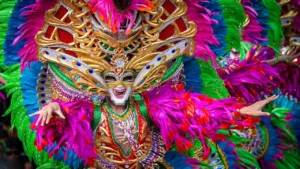
- MassKara (Bacolod, October): A festival of smiling masks and street dancing.
- Christmas season: Celebrations start early and last until January, making it a festive but busy time.
Best Time for Specific Activities
| Activity | Best Period | Where |
|---|---|---|
| Island hopping | Around November to May | El Nido, Coron, Bohol, Boracay |
| Diving and snorkelling | Around March to June for calm seas and visibility | Coron, Moalboal, Malapascua, Apo Island |
| Tubbataha liveaboards | The short season, usually around mid-March to mid-June | Departures from Puerto Princesa |
| Surfing | Around September to November | Siargao |
| Hiking and rice terraces | Dry season | Banaue, Batad, Sagada |
Diving in the famous Tubbataha Reefs is only possible during a short annual season, by liveaboard from Puerto Princesa. See the Tubbataha Liveaboard Diving trip for details.
Peak, Shoulder and Low Season
Peak season runs roughly from December to May, with the busiest periods around Christmas, New Year, Chinese New Year and Holy Week. During these times, popular islands like Boracay, El Nido and Coron fill up quickly, and it is wise to book accommodation and transfers early. The shoulder months, such as November and early June, often offer a good balance of decent weather and fewer visitors. Low season, during the main rainy months, brings quieter beaches and more attractive rates, though some boat tours may not run on stormy days.
How Hot Is It?
The Philippines is tropical, with warm temperatures all year in the lowlands. The hottest months are usually April and May, while December to February feel a little cooler, especially in the evenings. Mountain areas like Baguio, Sagada and Banaue are much cooler, so pack a warm layer if you plan to visit the Banaue Rice Terraces. Humidity is high in most places, so light, breathable clothing, sun protection and plenty of water are essential.
Our Recommendation
For most travellers, the best time to visit the Philippines is from around December to May, when much of the country is dry and the seas are calm. If you prefer fewer crowds and do not mind some rain, the shoulder months can be excellent. And if surfing is your goal, Siargao in the autumn is hard to beat. Whatever your dates, our team helps you choose the islands with the best conditions. Start with our list of famous Philippine islands and our 2-week Philippines itinerary.
Frequently Asked Questions
What is the best month to visit the Philippines?
Many travellers choose January to April, when most regions are dry and seas are calm. The exact best month depends on the islands you visit.
When is typhoon season in the Philippines?
Typhoons are most common from around June to November, although they can occur at other times of year.
Is it worth visiting the Philippines in the rainy season?
Yes, with flexible plans. Rain often comes in short, heavy showers, and you will enjoy fewer crowds and green landscapes.
When is the best time for El Nido?
Usually from around November or December to May, when seas are calmer and island-hopping tours run reliably.
When is the surf season in Siargao?
The biggest waves usually arrive from around September to November.
Get Your Free Custom Philippines Quote Today!
Tell us your travel dates and we will recommend the islands with the best conditions, with transfers and tours at fair local prices.
Browse Multi-Day Tours Explore Short Excursions