Visitors often notice the welcome before they notice the rules. People smile, staff go out of their way, and English is widely spoken in the places you are likely to stay. Underneath that ease is a culture that values respect, a calm public manner, and care for family and elders. You do not need to master every custom to travel well, but a little attention to greetings, dress and tone will be noticed, and the opposite will be noticed too.
This guide is a practical introduction to Philippines etiquette for travellers: how to greet people, how to behave in churches and homes, what to wear, when to photograph, and how formal or informal everyday life can feel from Manila to a small island. It is not a complete handbook to a diverse country. Customs vary between regions, families and faiths, and city manners are not identical to village manners. If this is your first visit, read it alongside the first-time guide and the safety page.
Greetings, Titles and Tone
A smile, a hello, and a thank you go further than a perfectly pronounced phrase, but a little language is a courtesy. “Salamat” means thank you. In many Tagalog-speaking settings, “po” and “opo” are added to speech as marks of respect, especially towards older people. You will not be expected to use them fluently, and you will be appreciated if you try in a shop, a family-run guesthouse, or when you are introduced to someone’s parents. A handshake is common in professional and many tourist settings. Among Filipino families, a traditional gesture of respect to elders is “mano,” taking the elder’s hand and touching it lightly to the forehead. You will not be required to initiate this as a visitor; if it is offered in a private setting, follow the host’s lead quietly.
Titles matter more than in some Western contexts. Addressing someone as Sir or Ma’am is normal and not stiff. If a person introduces themselves with a title, use it. Public confrontation is poorly received. Raising your voice at a driver, a waiter or a delayed ticket desk does not speed the process, and it can embarrass everyone in the room, including you. A calm, clear request, and a moment of patience, is the more effective style. Humour is welcome; sarcasm at someone else’s expense is not. If you need a frank conversation about a booking, have it quietly, not in front of a queue.
Dress, Churches and Public Behaviour
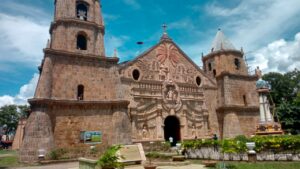
Beachwear belongs on the beach. In town, at airports, in malls and in any religious site, cover shoulders and avoid very short shorts or swimwear. This is both etiquette and comfort: churches, government offices and many family restaurants are air-conditioned, and a light shirt is more useful than it is in a purely tropical fantasy. In Vigan, Manila’s older districts, and towns across the Visayas, you will pass churches that are still working parish churches, not only monuments. A modest neckline, covered shoulders, and a hat taken off inside are the right default. If a mass is underway, stay at the back or come back later unless you intend to attend.
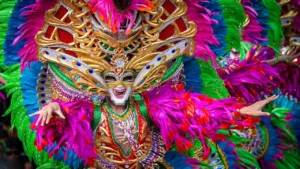
The Philippines is a predominantly Catholic country, and religious life is public in a way that surprises some visitors: processions, feast days, Friday or Sunday crowds, and Christmas decorations that appear early and stay late. Show the same respect you would in a church at home. The country is also religiously diverse. There are significant Muslim communities, especially in parts of Mindanao, and smaller communities of other faiths. In those places, dress more conservatively, ask before entering a mosque, and follow local advice on photography and alcohol in public. A first leisure trip often stays in Palawan, the Visayas or North Luzon, but the same principle applies everywhere: look at what people around you are wearing, and match the more careful end of it.
- A heritage-focused trip such as the Ilocos Heritage and Coast or the North Luzon Cordillera Route will take you through towns where church and family customs are part of the day, not a backdrop.
- Island days still start and end in communities; see Philippines excursions for short local outings.
- Longer routes are listed under multi-day tours.
Homes, Meals and Everyday Courtesy
If you are invited into a home, remove your shoes if you see a row of them at the door, greet the eldest people first, and accept at least a little of what is offered. Declining everything can read as cold, even when you mean to be polite. A simple compliment and a modest gift, such as something from your own country or a box of good pastries, is appropriate if you are a guest, not if you are only dropping a bag at a guesthouse. In restaurants, service may be warmer and less formal than you are used to, or occasionally slower than you would like. A patient “please” and “thank you” works better than snapping your fingers or calling across the room.
Food is a social language. Sharing dishes, offering the last piece to someone else, and waiting for older people to start are common in family settings. In tourist restaurants you can simply order and eat, but it still helps to be gracious with staff. Tips are not required or expected. Drivers set their own fair prices, but they appreciate a tip, so it is always a nice gesture. Tips are not required or expected. Drivers set their own fair prices, but they appreciate a tip, so it is always a nice gesture. Tips are not required or expected. Drivers set their own fair prices, but they appreciate a tip, so it is always a nice gesture. The food guide is the place for what to eat; the rule here is simpler: do not waste food ostentatiously, and do not criticise a home-cooked meal.
Photography, Privacy and Money
Landscapes, churches from the outside, and street scenes are generally fine. People are not scenery. Ask before you photograph a person, a child, or a private doorway, and accept a no without negotiation. During services, put the camera away. At airports, ports and around police or military posts, follow posted rules and do not photograph security checks or uniformed officers at work. On island-hopping days, be careful with drones: many lagoons and communities restrict them, and a drone over a small beach is not a neutral act.
Money is handled discreetly. Pay what you agreed, count change calmly, and avoid flashing a large roll of notes at a tricycle stop or a market stall. Bargain only where bargaining is clearly part of the setting, such as some markets, and do it lightly. A posted fare, a meter, or a hotel rate is not an opening offer. If you are unsure about a tricycle price, agree it before you sit down, with a smile, as described in the getting around guide. Giving money or sweets directly to children in the street is well-meant and often unhelpful; if you want to support a community, ask a reputable local organisation or your guide.
| Situation | The usual courteous approach |
|---|---|
| Greeting staff or an older person | Smile, say hello, and use Sir or Ma’am; “salamat” for thank you |
| Entering a church or chapel | Cover shoulders, remove a hat, keep your voice down, and avoid interrupting a service |
| A disagreement about a fare or a booking | Talk quietly and clearly; do not raise your voice in public |
| Photographing people | Ask first, and do not persist if the answer is no |
| Tipping a private driver or guide | A modest cash amount at the end of a good day is customary, not compulsory |
| Being invited to eat | Accept a little, thank the host, and do not rush away |
Time, Family and Sensitive Topics
Schedules in tourism can be punctual, especially for flights, and more flexible for a social appointment or a village event. Build slack into road and boat days, and do not treat a later start as a personal slight. Family is central. Questions about whether you are married, or whether you have children, are often friendly rather than intrusive. You can answer briefly and change the subject if you prefer. Public displays of anger, and public humiliation of staff, are among the faster ways to sour a room. Affection between couples is usually fine in tourist areas if it is modest; very demonstrative behaviour can be out of place outside a beach or a nightlife strip.
Politics, insurgency and poverty are real subjects, and they are not ice-breakers. Listen more than you lecture. Avoid reducing a place to a headline you read at home. In rural communities and indigenous areas, including parts of North Luzon around Banaue, follow local guidance on where you may walk, what you may photograph, and whether a village visit is welcome that day. A heritage walk in Vigan, or a quiet visit inside Manila’s older walls, is still a visit to living streets. The visit Vigan and visit Manila pages are practical companions; the etiquette is to remember that people live there.
Practical Tips and Common Mistakes
Pack at least one modest outfit that works for a church, a nicer dinner, and a long-distance flight; the packing list is a useful check. Learn a few words, keep your temper, and treat drivers and boat crews as professionals. If you travel with children, the same courtesies apply, and you may find people especially warm towards them; still ask before photos. Couples on a first romantic trip will feel at ease in most resort settings if they keep beachwear on the sand; see the honeymoon guide for the practical side of that kind of stay.
- Keep beachwear on the beach, and dress modestly in churches and town centres
- Use a calm tone, even when a booking or a fare is wrong
- Ask before photographing people, and put the camera away in services
- Remove shoes in a home if others have done so, and greet older people first
- Handle cash discreetly, and agree informal fares in advance
- Treat religious feasts and family events as living customs, not as a show
Frequently Asked Questions
Do I need to speak Filipino or Tagalog?
No. English is widely used in hotels, airports and tourist towns. A few words of thanks and greeting are a courtesy, not a requirement, and they are usually received with a smile.
Is it rude to wear shorts and sandals?
Not on the beach, or in casual island towns during the day. It is out of place in churches, some family restaurants, and any formal indoor setting. Carry a light shirt or cover-up for those moments.
Should I tip in the Philippines?
There is no single rigid rule. Check whether a service charge is already on the bill. For good restaurant service without a charge, a modest extra is appreciated. Tips are not required or expected. Drivers set their own fair prices, but they appreciate a tip, so it is always a nice gesture.
Can I photograph inside churches?
Often yes, quietly, when no service is underway and if there is no sign forbidding it. Do not use flash on people at prayer, and step aside rather than blocking a doorway for a picture.
What should I avoid doing in public?
Avoid raising your voice, showing anger at staff, wearing swimwear away from the beach, and photographing people without asking. Those are the mistakes that cause the most unnecessary friction.
Get Your Free Custom Philippines Tour Quote Today!
Tell us the towns and islands you want to visit, and our local team will shape a respectful, well-paced route around them.
Browse Multi-Day Tours Explore Short Excursions